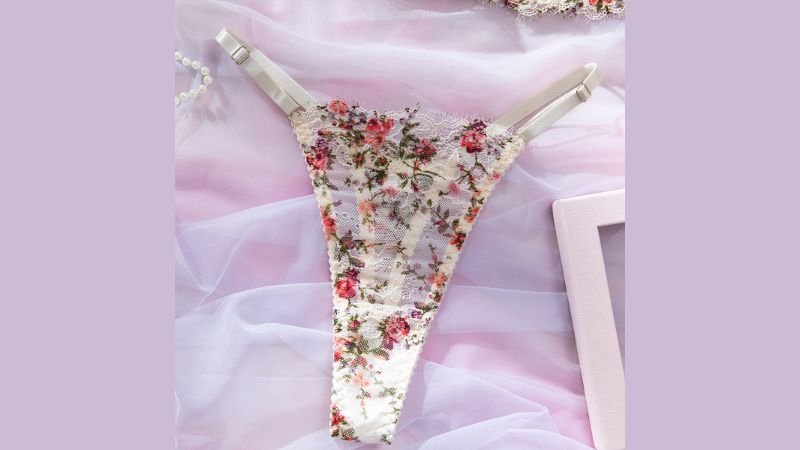
Sexy thongs are more than a small add-on item in lingerie collections. For many lingerie brands, they are one of the most important bottom styles used in sexy lingerie sets, lace collections, bridal lingerie, babydoll sets, bodysuits, garter sets, and seasonal capsule collections.
For B2B buyers, choosing a thong style should not be based only on appearance. A thong may look simple, but its comfort, fit, material, elastic tension, gusset construction, lace placement, cutting efficiency, and MOQ can all affect the final product quality and commercial result.

This guide explains the most popular sexy thong styles for lingerie brands, how each style fits different market positioning, and what buyers should consider before developing sexy thongs for bulk production.
Why Sexy Thongs Matter in Lingerie Collections
Sexy thongs play an important role in lingerie collections because they work both as standalone underwear and as matching bottoms for bras, bodysuits, corsets, garter belts, babydolls, chemises, and other sexy lingerie styles.
In sexy lingerie sets, the thong often helps complete the full visual concept. Compared with full briefs or hipsters, thongs create a lighter and more minimal silhouette. They allow the design focus to stay on lace, straps, embroidery, sheer panels, hardware, or the upper lingerie piece. This is one reason why many sensual lingerie sets use thongs as the default bottom style.
For brands, thongs also offer strong merchandising value. Major lingerie brands and retailers also treat thongs as a dedicated underwear category. SKIMS has a separate thong collection covering cotton, lace, high-waisted and string styles, while Victoria’s Secret maintains a Thong & V-String category that includes thongs, V-strings and G-strings.
They can be sold as part of a set, as an add-on bottom, as a multi-pack, or as a standalone underwear SKU. A brand may use lace thongs for romantic collections, mesh thongs for sheer fashion lingerie, strappy thongs for statement sets, seamless thongs for daily wear, and embroidered thongs for premium capsule ranges.

The commercial value of a sexy thong is not only about how little fabric it uses. A well-developed thong can help increase set value, improve collection consistency, and give buyers more flexibility in product planning.
What Makes a Sexy Thong Commercially Successful?
A successful sexy thong must balance visual appeal with real wearability. This is especially important for B2B buyers because customer complaints often come from small details that are easy to overlook during sample review.
Fit is the first priority. A thong should stay in place without cutting into the body. The waistband should feel secure but not tight. The back string should sit correctly without twisting. The front panel should provide enough coverage for the target market, and the gusset should be comfortable enough for actual wear.
Fabric choice also affects positioning. Lace creates a romantic and premium look. Mesh feels lighter and more modern. Satin can support a more glamorous or bridal direction. Microfiber and seamless fabrics are better for comfort and daily use. Strappy elastic designs create a stronger visual impact, while embroidery and trims can raise perceived value for boutique or holiday collections.
Construction is another key factor. Because thongs have minimal coverage, every seam, elastic, edge, and fabric contact point becomes more noticeable. If the lace is rough, the mesh has poor recovery, the elastic tension is too strong, or the gusset is too narrow, the product may look attractive but fail in repeat purchase.

For brands, a commercially successful sexy thong should match the target customer, price level, retail channel, and full lingerie set design. It should also be practical for cutting, sewing, size grading, color matching, and bulk production.
What Are the Most Popular Sexy Thong Styles?
Lace Thongs
Lace thongs are one of the most common styles in sexy lingerie collections. They are widely used in romantic lingerie, bridal lingerie, boudoir collections, Valentine’s Day ranges, and premium lace sets.

The main appeal of a lace thong is its feminine and decorative look. Floral lace, eyelash lace, stretch lace, and embroidered lace can all create different brand feelings. A soft stretch lace thong may work well for everyday sexy lingerie, while a more delicate eyelash lace thong may be better for bridal or boutique collections.
For B2B development, lace selection is critical. The lace must be soft enough for skin contact and stable enough for cutting and sewing. Large floral motifs can increase fabric waste if the brand wants the flowers to be centered or symmetrical. Some lace designs also have higher MOQ because they depend on supplier stock, custom dyeing, or embroidery production.
Lace thongs are commercially strong, but brands should review lace MOQ, flower placement, stretch recovery, edge finishing, and cutting efficiency before confirming the design.
Mesh Thongs
Mesh thongs are popular for brands that want a lighter, younger, and more transparent look. They are often used in sheer lingerie, fashion lingerie, playful sexy sets, and modern minimal collections.

Mesh can be used alone or combined with lace, embroidery, contrast binding, elastic straps, flocking, or printed details. It gives the product a lightweight look and allows brands to create a more contemporary style compared with traditional lace.
The development risk is usually fabric quality. Low-quality mesh may feel rough, lose shape after stretching, or become unstable after washing. Some mesh fabrics are too transparent for certain markets, while others do not have enough recovery for a good fit.
When developing mesh thongs, brands should check transparency level, stretch direction, seam stability, edge comfort, and colorfastness. A good mesh thong should look light and sexy, but it still needs to feel soft and stable during wear.
Strappy Thongs
Strappy thongs are a strong style in sexy lingerie because they create bold visual lines with elastic straps, cutouts, and geometric structures. They are often used in statement lingerie, strappy bra sets, garter sets, harness-inspired lingerie, and festival or fashion-led collections.

Although strappy thongs may look simple, they require careful construction. The visual effect depends on the placement of each strap, but the wearing comfort depends on elastic width, tension, attachment points, and size grading.
If the elastic is too tight, it can cut into the body and leave marks. If it is too loose, the thong may lose shape or sit incorrectly. This becomes more obvious across different sizes, especially when the same strap layout is graded from small to larger sizes.
For brands, strappy thongs can create strong visual identity, but they should not be developed only from a flat design sketch. Fit testing is important to make sure the strap structure works on the body and remains comfortable in real wear.
G-Strings
G-strings are minimal thong styles with very limited back coverage and thin side strings. They are often used in highly revealing lingerie sets, lightweight underwear collections, and price-sensitive multi-pack programs.

The advantage of a G-string is its clean and minimal structure. It uses less fabric and can be made in lace, mesh, satin, microfiber, cotton, or elastic strap combinations. It is also easy to match with bras, garter belts, bodysuits, or babydolls.
However, less fabric does not automatically mean easier production. With a G-string, there is very little fabric to balance the fit. If the string is too rough, too weak, or poorly attached, the wearing experience will be affected immediately. The front panel and gusset also need careful proportion control.
For B2B buyers, G-strings can be useful for minimal sexy lingerie and multi-piece sets, but comfort and elastic quality should not be ignored.
V-Strings
V-strings are a variation of string thongs with a more defined V-shaped back or front visual line. They are commonly used when brands want a more delicate and designed look than a basic G-string.

The V-shape can make the style look more refined and premium. It works well with lace, mesh, satin, strappy elastic, and decorative hardware. Many brands use V-strings in sexy sets because they offer a minimal look while still showing design detail.
The main challenge is balance. The V structure must stay symmetrical and stable across sizes. If the back connection point is not controlled well, the garment may twist, pull, or sit unevenly on the body. Elastic recovery is also important because the V-shape depends on tension to hold its structure.
For brands targeting boutique, bridal, or premium sexy lingerie, V-strings can be a good choice, but they require more careful pattern and construction review than a very basic thong.
High-Waist Sexy Thongs
High-waist thongs combine a sexy back shape with more front and waist coverage. They are suitable for brands that want a balance between sensual design and body-flattering support.

This style works especially well with longline bras, corsets, bustiers, retro-inspired lingerie, plus-size lingerie, and premium lace sets. It can be developed in lace, mesh, power mesh, satin, or mixed materials.
The benefit of a high-waist thong is that it gives the wearer more coverage while still keeping the back minimal. It can also help create a more elegant and flattering silhouette for different body types.
From a development perspective, front rise and waist grading are important. If the rise is too low, the style loses its high-waist effect. If the waist elastic is too tight, it may roll or create pressure. If the fabric has poor recovery, the waist may lose shape after wear.
High-waist thongs are a strong option for brands that want to offer sexy lingerie with more body coverage and wider size appeal.
Seamless and No-Show Thongs
Seamless and no-show thongs are less dramatic than lace or strappy styles, but they are highly commercial because they combine comfort, daily wear, and invisible styling. Market research also points to a broader shift toward comfort-first, wire-free and multifunctional lingerie, including breathable everyday styles and seamless fits.

This style is suitable for daily underwear, tight clothing, activewear, bodywear, and comfort-focused collections. It can be made with microfiber, free-cut fabric, bonded edges, or seamless knitting.
For many brands, seamless thongs can help balance a lingerie collection. While lace and strappy thongs serve sexy and visual purposes, seamless thongs support repeat purchase and daily use. They can also be included in underwear packs or basic programs.
The production requirements are different from traditional sewn lace thongs. Brands should check edge rolling, bonding strength, gusset attachment, fabric recovery, and washing performance. If the edge rolls after washing or the bonding is not stable, the product may lose its no-show advantage.
Seamless thongs are useful for brands that want both comfort and commercial repeatability, but they require stronger technical control in fabric and edge finishing.
Embroidered and Decorative Thongs
Embroidered and decorative thongs are suitable for brands that want higher visual value. They are often used in bridal lingerie, holiday collections, Valentine’s Day sets, boutique ranges, and limited capsule collections.

Embroidery, appliqué, soft bows, rings, delicate trims, and decorative straps can make a thong look more premium. These details can also help the thong match a bra, garter belt, bodysuit, or babydoll within the same collection.
However, decoration must be controlled carefully. Hard trims, poorly placed hardware, rough embroidery backing, or too many decorative parts can create discomfort. Any trim placed near high-friction areas should be reviewed before bulk production.
Decorative thongs can increase perceived value, but brands need to balance beauty, comfort, material cost, MOQ, and production efficiency. A design that looks premium in photos still needs to be practical for real wear and bulk production.
How Should Brands Choose the Right Sexy Thong Style?
Choosing the right sexy thong style depends on brand positioning, target customer, sales channel, price level, and whether the thong will be sold alone or as part of a matching set. A boutique bridal brand may need delicate lace or embroidery, while an online basics brand may perform better with seamless thongs or soft lace styles.
| Sexy Thong Style | Best For | Main Selling Point | Development Risk |
|---|---|---|---|
| Lace Thong | Sexy sets, bridal, boutique lingerie | Romantic and premium look | Lace MOQ, cutting waste, flower placement |
| Mesh Thong | Sheer lingerie, younger brands, fashion collections | Lightweight and modern | Mesh recovery, seam comfort, transparency control |
| Strappy Thong | Statement lingerie, bold sexy sets | Strong visual structure | Elastic tension and size grading |
| G-String | Minimal sexy lingerie, multi-packs | Minimal coverage and low fabric use | Comfort, string strength, gusset fit |
| V-String | Delicate sexy sets, premium collections | Minimal but designed look | Back structure balance and symmetry |
| High-Waist Thong | Retro, plus-size, premium lingerie | Body-flattering coverage | Waist rolling and front rise grading |
| Seamless Thong | Daily wear, no-show underwear | Comfort and repeat purchase | Edge rolling, bonding, fabric recovery |
| Embroidered Thong | Bridal, holiday, capsule collections | High perceived value | Higher cost, trims, cutting restrictions |
Brands should not choose thong styles only because they look attractive in product photos. The right style should match the target market, set design, MOQ plan, fabric direction, and production method.
For a first sexy thong collection, it may be more practical to start with two or three clear directions, such as lace thongs for sexy sets, mesh thongs for sheer fashion styles, and seamless thongs for daily repeat purchase. Once the best-selling direction is confirmed, the brand can expand into custom embroidery, strappy details, or more complex matching sets.
What Should Brands Consider Before Developing Sexy Thongs?
Sexy thongs are small garments, but they still need serious development control. Because the coverage is minimal, every detail becomes more noticeable: elastic pressure, seam roughness, gusset comfort, lace softness, and size balance.

Before starting a sexy thong project, brands should confirm:
- Target market and customer age group
- Whether the thong is sold alone or as part of a lingerie set
- Fabric direction: lace, mesh, satin, cotton, microfiber, or seamless fabric
- Required size range and grading rules
- Waistband and back string width
- Gusset width, lining fabric, and comfort requirements
- Lace or embroidery placement
- Elastic tension and recovery
- Color matching with bra, garter belt, bodysuit, or babydoll
- MOQ by fabric, lace, color, elastic, and packaging
- Sample approval and bulk inspection standard
A clear development brief helps the manufacturer evaluate feasibility more accurately. It also reduces unnecessary sampling rounds and prevents the buyer from choosing a design that looks good but is difficult to produce consistently.
Common Production Risks in Sexy Thong Development
One common mistake is assuming that a smaller garment always means lower MOQ. In real production, thong MOQ can still be controlled by lace MOQ, elastic MOQ, custom dyeing, embroidery, trims, packaging, or the material requirements of a matching bra or lingerie set.
Another risk is focusing too much on visual design and not enough on comfort. A sexy thong may look strong on a model or flat photo, but if the back string, gusset, waistband, or lace edge is uncomfortable, customers may not reorder.
Fabric quality also matters. Rough lace, unstable mesh, weak elastic, or poor edge finishing can create complaints even when the product looks correct. Since thongs are close-fitting garments, skin-contact comfort is especially important.
Size grading is often underestimated. Low-rise thongs, high-waist thongs, strappy thongs, and V-strings all need different grading logic. If the pattern is simply enlarged or reduced without checking body position, the fit may become unstable across sizes.
Set matching is another important production issue. When a thong is part of a lingerie set, it should coordinate with the bra or bodysuit in lace pattern, color, elastic width, hardware, transparency level, and overall brand positioning. If the thong looks disconnected from the set, the whole product loses value.
White Label vs Custom Sexy Thongs: Which Is Better for Your Brand?
White label sexy thongs can be suitable for buyers who want to test the market quickly. If the buyer has limited MOQ budget, no complete design team, or wants to launch basic lace, mesh, or G-string styles fast, white label or factory base styles can reduce early risk.

This approach is especially useful for new brands, small online sellers, and wholesalers that need quick product testing. The buyer can add brand labels, packaging, and simple branding while avoiding heavy upfront development costs.
Custom sexy thongs are more suitable when the brand wants exclusivity, special lace, custom color, matching set development, premium packaging, or a specific fit. If the thong needs to match a bra, garter belt, bodysuit, babydoll, corset, or chemise, custom development usually gives better control over the final result.
For many B2B buyers, the best strategy is not choosing only one model. A brand can start with standard or factory base styles to test demand, then move into custom sexy thong development once the best-selling direction is clear. This reduces early risk while still giving the brand a path toward stronger differentiation.
FAQ About Sexy Thong Development
What are the most popular sexy thong styles for lingerie brands?
Popular sexy thong styles include lace thongs, mesh thongs, strappy thongs, G-strings, V-strings, high-waist thongs, seamless thongs, and embroidered thongs. Each style fits a different brand positioning and production strategy.
Are lace thongs suitable for private label lingerie?
Yes. Lace thongs are suitable for private label lingerie because brands can customize lace pattern, color, waistband, gusset, trim, packaging, and matching set design. However, lace MOQ and cutting waste should be reviewed before production.
Why is comfort important in sexy thong development?
Sexy thongs have minimal coverage, so every detail affects the wearing experience. Gusset width, back string tension, lace softness, seam finishing, and waistband recovery all influence comfort and repeat purchase.
Do sexy thongs have lower MOQ because they use less fabric?
Not always. Although thongs use less fabric, MOQ may still be controlled by lace MOQ, elastic MOQ, custom dyeing, embroidery, trims, color matching, and packaging requirements.
Can sexy thongs be developed as part of a lingerie set?
Yes. Many sexy thongs are developed as matching bottoms for bras, garter belts, bodysuits, babydolls, corsets, and chemises. In this case, fabric, lace, color, hardware, trims, and packaging should be planned together.
What information should brands provide before developing a custom sexy thong?
Brands should provide target style, reference photos, fabric direction, size range, color requirements, expected MOQ, packaging needs, and whether the thong will be sold alone or as part of a matching lingerie set.
Conclusion
Sexy thongs are an important part of lingerie collections because they work as both standalone underwear and matching bottoms for sexy lingerie sets. Lace thongs, mesh thongs, strappy thongs, G-strings, V-strings, high-waist thongs, seamless thongs, and embroidered thongs all serve different market needs.
For B2B buyers, the best sexy thong style is not simply the most revealing or visually dramatic one. It is the style that matches the brand’s market position, comfort standard, MOQ plan, fabric direction, set design, and production method.
By choosing the right style and reviewing development details early, brands can build sexy thong collections that look attractive, fit better, support repeat orders, and remain practical for bulk production.
CTA: Develop Your Sexy Thong Collection with the Right Manufacturer
Planning a sexy thong or lingerie set collection for your brand?
Our team supports lingerie brands with style development, fabric selection, lace sourcing, sample making, size grading, color matching, packaging, and bulk production. Whether you are developing lace thongs, mesh thongs, strappy thongs, G-strings, V-strings, seamless thongs, or matching lingerie sets, we can help turn your concept into a production-ready product.
Share your design idea, reference photo, target market, size range, and expected order quantity with us. We will review your project and suggest a practical development solution.
Contact us to start your sexy thong project.