Are you looking for a trustworthy partner to make your lingerie? As intimate apparel worn directly against the skin, lingerie quality directly affects the wearer’s health and comfort. Choosing a reliable manufacturer is therefore the fundamental prerequisite for ensuring lingerie quality.

Whether you represent an established brand, an online retailer developing a supply chain, or a startup entering the lingerie market, selecting the right manufacturer requires careful consideration of multiple factors, including compliance, expertise, and production stability. This article will break down the practical methods for selecting a reliable lingerie manufacturer across the following five core dimensions.
Verify Compliance and Certifications
Compliance is the fundamental baseline for any manufacturer, especially for underwear, which is a high-risk textile product that comes into direct contact with the skin. Therefore, it is essential to ensure product safety through authoritative certification.
Choosing a lingerie manufacturer without compliance certifications exposes brands to uncontrollable risk, not cost risk. Without verified compliance credentials, products may carry safety hazards such as excessive formaldehyde levels or residues of banned dyes. These risks not only endanger consumer health but can also lead to administrative penalties, product recalls, retail channel restrictions, and the erosion of consumer trust for both brands and sellers. Compliance is not optional—it is a fundamental requirement for sustainable brand growth.
When selecting a compliant manufacturer, you may consider the following key points:

- Social Responsibility Certifications: Within corporate social responsibility (CSR) and factory audit systems, the most commonly recognized certifications include BSCI, Sedex, SA8000, and WRAP.
- Quality System Certification: For the lingerie industry, it is preferable to choose manufacturers that have obtained ISO 9001 quality management system certification.
- Fabric Safety Certifications: Common textile fabric certifications include OEKO-TEX® Standard 100 and GOTS (focused on safety), as well as GRS and RCS (supporting sustainability and environmental responsibility).
- Regulatory Compliance: You may request the manufacturers you are evaluating to provide third-party test reports in accordance with your target market requirements, demonstrating that their products comply with applicable regulations, such as REACH (EU) and CPSIA (United States).
Evaluating product quality and expertise within specific market segments
Product quality is a core competitive advantage, while expertise in specific market segments is the key factor that ensures product functionality is executed to its full potential.
In the lingerie industry, there’s a huge gap between being able to do something and doing it well. Lingerie is a highly intimate product that prioritizes both functionality and comfort. The underwear market is highly segmented, and the requirements for design, manufacturing processes, material selection, and quality control vary significantly across different product categories.
If a supplier only possesses “general manufacturing capabilities” but lacks long-term experience in a specific product category, they may still encounter problems such as ill-fitting designs, substandard functionality, and poor suitability for intended use scenarios. When manufacturers have established expertise in specific product categories, brands gain more than just qualified products; they benefit from lower communication costs, more controllable quality risks, and the stability needed to support sustained brand growth.

When choosing a professional supplier, you can do the following:
- Inferring product quality from samples: You can first request samples from the supplier—whether based on your design or products they have previously manufactured that are similar to your design. Then you can examine the structure and pattern, craftsmanship details, fabrics and accessories, wear and functionality testing, sizing and consistency, and mass production feasibility based on the samples. Finally, you can decide whether to establish a cooperative relationship with them.
- Assessing expertise in specific niche areas: First, clearly define the specific market segment your product belongs to (such as sports, shaping, maternity, plus-size, etc.). Then, inquire about the manufacturer’s experience in that specific segment, their track record with other brands (prioritizing well-known brands in the same segment), and request representative samples of products in that category. Inspect the core manufacturing processes relevant to that segment to assess their ability to meet the specific needs of that market. You can also research the manufacturer’s reputation in the segment through industry channels and review customer product reviews to verify their market acceptance.
Assess Customization and OEM/ODM Support
Assessing whether a supplier truly possesses the capabilities for customization and ODM/OEM support is a crucial prerequisite for determining their suitability for long-term collaboration. The current lingerie market suffers from severe homogenization. The ability to provide customized services and OEM/ODM capabilities directly determines whether a brand can create differentiated products and respond quickly to market demands.
In the B2B lingerie industry, a brand’s true competitive advantage often doesn’t come from simply “having a product,” but from the ability to consistently translate differentiated customer needs into products that can be mass-produced and implemented on a large scale. This is precisely where the value of customer customization capabilities and ODM/OEM support lies.
Whether it’s a startup brand needing one-stop ODM research and development and manufacturing, or a mature brand seeking OEM customized production and iteration of its own styles, the manufacturer’s customization and manufacturing support capabilities affect cooperation efficiency, product accuracy, and cost control. Manufacturers lacking professional support are prone to problems such as difficulty in implementing customized requirements, quality deviations in OEM orders, and excessively long ODM development cycles, which hinder brand development.

When evaluating a supplier’s customization services, I suggest asking whether they support full-process ODM services (from design, development, and sampling through to mass production and delivery), OEM manufacturing (where the customer provides the design or samples and the manufacturer handles production), as well as personalized customization options such as sizing, fabrics, patterns, functionality, and packaging. It’s also important to confirm whether they accept small-batch customized orders, and to clearly understand their minimum order quantities and any additional costs associated with customization, so you can assess whether their services match the scale and needs of your business.
Review Production Capacity and Lead Time Stability
Production capacity directly determines order fulfillment efficiency and supply stability during peak seasons. Reviewing the stability of production capacity and delivery cycles is essentially about determining whether the supplier possesses predictable and controllable delivery capabilities.
Once production capacity and delivery timeline management fall short, brands may face a series of cascading risks, including disrupted product launch schedules that impact key sales windows, forced adjustments to promotional, channel, or platform plans, imbalanced inventory structures that increase cash flow pressure, and repeated delays that erode trust with distribution partners. This can cause e-commerce sellers to miss sales opportunities and brand owners to disrupt their distribution schedules, ultimately impacting revenue and market reputation. Especially for partners with large-scale expansion needs, production capacity is a core guarantee for long-term cooperation.

When you are assessing a supplier’s production capabilities, you can do the following:
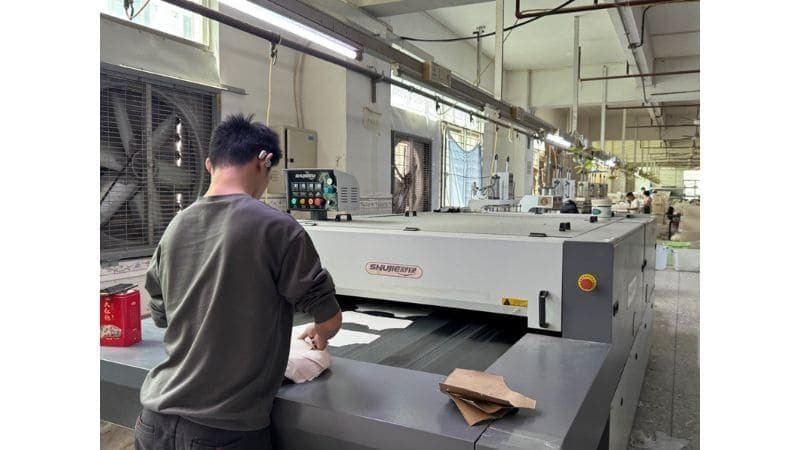
- Verify scale and production capacity: If possible, conduct an on-site visit to the factory, documenting the factory area, number of production lines, and number of employees. If an on-site visit is not feasible, request factory videos from the supplier to assess their production capacity.
- Inspect the equipment and processes: Understand in advance the processes required to produce your product, and focus on whether the company has the advanced production equipment needed to manufacture your product.
- Understand their production scheduling and order management logic: Understand whether they have clear production scheduling rules and prioritization mechanisms, how they coordinate multiple customers and orders simultaneously, and the extent to which rush orders and last-minute changes impact existing orders.
Evaluate Communication, Transparency, and Long-Term Cooperation
Effective communication and information transparency are key to avoiding conflicts in collaborations. Evaluating communication methods and transparency essentially involves assessing whether a supplier possesses the awareness and capabilities to be a long-term partner.
Ineffective communication and information concealment (such as production bottlenecks and cost fluctuations) by manufacturers can easily lead to order delays and discrepancies in demand. Manufacturers lacking a long-term collaborative mindset may compromise quality standards for short-term gains, making it difficult to adapt to the brand’s growth pace and increasing the costs of switching suppliers. High-quality communication and transparent mechanisms can quickly resolve problems, while the potential for long-term cooperation can lead to a win-win situation for both parties.
If a supplier falls short in communication and transparency, common problems include:
- Information feedback is delayed, and problems are only exposed after they have been amplified.
- Key risks are not identified in advance, leading to reactive responses.
- The boundaries of responsibility are unclear, resulting in mutual blame after problems occur.
- Trust is gradually eroded during long-term cooperation.

How should B2B customers evaluate potential partners before collaborating? – Starting with the details of initial interactions:
- Assess professionalism and response quality through early-stage communication
During the initial inquiry and communication process, what we observe is not only the speed of the response, but also the content of the response itself. You can observe whether the supplier accurately understands your questions and needs, whether their answers are specific and targeted rather than templated responses, and whether they can distinguish between things they “can do” and things that “require further confirmation.” Suppliers who demonstrate clear communication skills before the collaboration begins are often easier to work with later on. - Observe whether they proactively explain the limitations and boundary conditions
Before a partnership is established, suppliers often want to showcase their capabilities. However, truly mature suppliers will also explain the aspects where they are not suitable or where risks exist. You should pay attention to whether they proactively point out potential limitations in design, process, or delivery time, whether they explain why certain requests are unreasonable instead of simply accepting them, and whether they are willing to discuss alternative solutions rather than blindly complying. Suppliers who dare to say “no” before entering into a partnership are usually more trustworthy. - Assessing the collaborative mindset through feedback on issues
Even during the initial assessment phase, misunderstandings or communication errors can occur. You can observe their attitude when faced with questions or differing opinions: whether they are willing to patiently explain instead of avoiding or giving vague answers, and whether they are focused on solving problems rather than simply rushing to close the deal. The way issues are handled before a collaboration often reflects the reality of the collaboration afterward.
FAQS
Is it better to choose a large factory or a specialized manufacturer?
Size alone does not determine reliability. A specialized manufacturer with focused expertise, stable processes, and clear communication may be a better fit than a large factory without experience in your specific product category. The right choice depends on your product complexity, order volume, and long-term growth plans.
Can small or startup brands work with professional lingerie manufacturers?
Yes, many professional manufacturers support small-batch or pilot orders. However, brands should clearly understand minimum order quantities, customization costs, and scalability options to ensure the supplier’s service model aligns with their current stage and future expansion.
Why is segment-specific experience important when choosing a lingerie manufacturer?
The lingerie market is highly segmented, and different categories require distinct design logic, materials, and production processes. A manufacturer with proven experience in your specific segment is more likely to deliver better fit, functionality, and consistent quality, while reducing development risks and communication costs.
What certifications should a reliable lingerie manufacturer have?
Common certifications include BSCI, Sedex, SA8000, or WRAP for factory audits, ISO 9001 for quality management, and fabric or product safety certifications such as OEKO-TEX® Standard 100, GOTS, GRS/RCS.
Conclusion
Choosing the right supplier is a process that requires more effort upfront, but brings long-term ease and stability.
When selecting a suitable partner, we recommend verifying their compliance, evaluating their product quality and segment-specific expertise, understanding the customization services they can offer, assessing their production capabilities and delivery stability, and observing their communication style and level of transparency.
We sincerely wish you success in finding a supplier that truly fits your business needs.