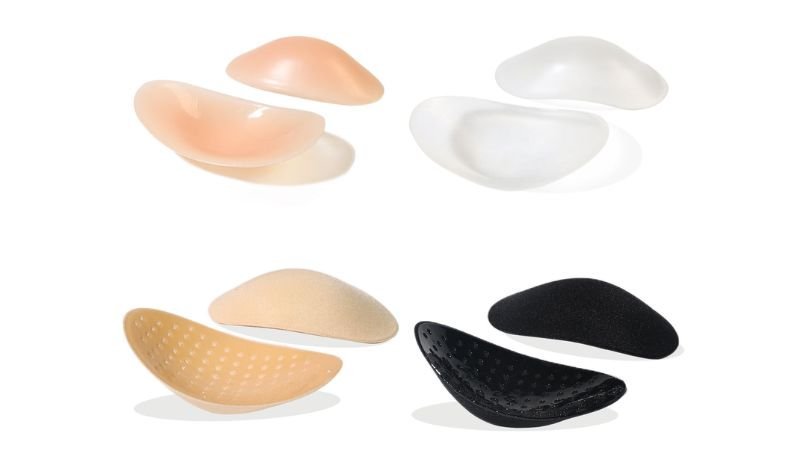
Shoulder pads are hardly a new idea. For decades, foam and fiber pads have been sewn into jackets, dresses and tailored garments to create a stronger shoulder line. What is changing is how shoulder shaping is being used.
Reusable silicone shoulder pads are designed to sit directly on the shoulder rather than being permanently sewn into one garment. They can add subtle height or width to sloping or narrow shoulders, create a more balanced silhouette and help certain tops, dresses and jackets sit more naturally.

In 2026, this type of removable shoulder-shaping accessory is becoming increasingly visible across lingerie, fashion-accessory and body-contouring categories. For brands and buyers, however, the opportunity is not simply about changing foam to silicone. Shape, thickness, edge transition, grip and material quality all determine whether the finished product actually looks natural under clothing.
This article explains how reusable silicone shoulder pads work, why they differ from traditional shoulder pads, where silicone and foam each have advantages, and what B2B buyers should evaluate when sourcing wholesale silicone shoulder pads or developing custom shoulder pads for a private-label program.
What Are Reusable Silicone Shoulder Pads?
Reusable silicone shoulder pads are removable shaping accessories designed to add volume around the shoulder area. They may help soften the appearance of sloping shoulders, make narrow shoulders appear broader or visually balance differences between the left and right shoulder.
Silicone shoulder-shaping pads should not be confused with bra strap cushions. Bra strap cushions sit underneath lingerie straps to distribute pressure and improve comfort, while the products discussed here are designed to change the visible shoulder contour underneath clothing.

Current commercial products show several variations of this concept. Some contour directly to the shoulder, while others combine silicone with a tacky, textured or anti-slip surface to help keep the pad in position under clothing.
The principle itself is simple: instead of altering every garment, the wearer adds a removable shaping layer between the body and the clothing.
Why Shoulder Shape Matters to Garment Fit
Shoulder slope is more than an aesthetic detail. It affects how a garment hangs from the upper body.
Research into garment pattern construction has shown that the relationship between the wearer’s shoulder angle and the garment pattern can influence fit. Matching the shoulder angle of a pattern more closely to the body can therefore help improve how the garment sits around the upper body.
In everyday clothing, differences in shoulder angle or left-right symmetry may appear as:
- a shoulder seam that drops lower than expected;
- fabric collapsing around the shoulder;
- an uneven neckline;
- one side of a garment sitting differently from the other;
- jackets or fitted tops looking less structured around the upper body.
A removable shoulder shaper does not change the wearer’s anatomy. Instead, it changes the outer silhouette underneath the garment, which can make the shoulder line appear more balanced.
Silicone Shoulder Pads vs. Traditional Sew-In Shoulder Pads
Traditional shoulder pads are part of garment construction. They are normally made from foam, fiberfill, molded materials or combinations of these materials and are sewn or inserted inside the garment. Reusable silicone shoulder pads serve a different purpose.

| Feature | Reusable Silicone Shoulder Pads | Traditional Garment Shoulder Pads |
|---|---|---|
| Position | Worn on or around the shoulder | Installed inside the garment |
| Main purpose | Enhance or visually balance shoulder shape | Build garment structure |
| Use | Removable | Usually fixed |
| Number of garments | Can potentially be used with different outfits | Normally belongs to one garment |
| Material | Usually molded silicone | Often foam, fiber or molded padding |
| Development focus | Body contour, grip, invisible edge | Garment construction and sewing |
This distinction matters for sourcing. A factory that understands conventional foam shoulder pads may know how to create structure inside a jacket but may not automatically understand the requirements of a product designed to sit close to the body.
For reusable silicone shoulder pads, the interaction between the body, the pad and the garment becomes part of the product design.
Why Reusable Silicone Shoulder Pads Are Gaining Attention in 2026
There is not enough public market data to claim that silicone shoulder pads have suddenly become a mass-market category in 2026. However, their presence across specialist accessory brands and online retail channels shows that the concept is gaining commercial visibility.
Current products are being positioned around sloping shoulders, narrow shoulders, reusable shaping and a discreet appearance underneath clothing. Some are also marketed as removable alternatives to shoulder pads permanently installed inside garments.
For B2B buyers, several product trends make the category worth watching.
1. Consumers Want Shaping Without Altering the Garment
Traditional shoulder shaping normally belongs to the garment itself. If a consumer wants more shoulder structure in a dress, blouse, knit top and jacket, each garment traditionally needs its own construction solution. Reusable shoulder pads separate the shaping function from the garment.
The same accessory can potentially work with different clothing types, depending on thickness, surface grip, shoulder shape and garment construction. That makes the concept particularly relevant to brands already selling invisible underwear, shapewear or removable fashion accessories.
2. The Product Addresses a Specific Styling and Fit Issue
Good accessory products usually solve a clearly identifiable problem. For reusable silicone shoulder pads, one of the most obvious applications is the appearance of sloping or narrow shoulders.
A shoulder line that drops noticeably from the neck may make some garments appear lower or less structured around the shoulder area. By adding controlled height or width, a pad can visually reduce that slope and create a more balanced shoulder line.
The product should therefore be positioned around shoulder shaping, silhouette balancing and improving the appearance of sloping shoulders, rather than making medical or posture-related claims.
3. Body-Shaping Accessories Are Becoming More Modular
Consumers are already familiar with removable fashion solutions such as breast enhancer inserts, nipple covers, adhesive bras and hip or butt-enhancing pads. Shoulder shapers follow a similar product logic: rather than permanently modifying the garment, the user chooses when additional shaping is needed.
For lingerie and body-accessory brands, that makes reusable silicone shoulder pads easier to understand within an existing product portfolio. They are not simply another version of a traditional garment pad. They sit somewhere between a fashion accessory, body-shaping product and garment-fit solution.
Why Silicone Is Used for Removable Shoulder Shaping
Silicone is particularly interesting when a shoulder pad is intended to follow the shape of the body rather than remain permanently inside a garment. Its flexibility allows molded products to conform to curved surfaces, while different formulations and structures can produce different levels of softness, resilience and surface feel.
Silicone materials are also widely used in products that come into contact with the body. However, this does not mean that every silicone formulation should automatically be described as skin-safe.
For a commercial shoulder pad, the buyer should still verify the actual silicone formulation, pigments, additives, surface treatments and any chemical or skin-contact requirements relevant to the target market.
This distinction is important in B2B sourcing: the material name alone is not a quality or compliance certificate.
Silicone vs. Foam Shoulder Pads: Which Is Better?
There is no universal winner. Silicone and foam solve slightly different product-development problems, so the correct choice depends on how the shoulder pad will be worn, the target silhouette and the brand’s intended price positioning.

Silicone Shoulder Pads
Silicone is well suited to removable shoulder-shaping products because it can be molded into a smooth three-dimensional contour. A properly designed pad can create gradual height through the center while tapering toward the edge. That gradual transition is important when the product needs to remain discreet underneath clothing.
Other potential advantages include:
- flexibility around the natural shoulder curve;
- smooth molded surfaces;
- washable and reusable product concepts;
- different hardness and thickness options;
- compatibility with tacky, textured or anti-slip surface designs.
There are also trade-offs. Silicone is generally heavier than comparable foam constructions. A product that becomes too thick or too heavy may move more easily during wear or feel unnecessarily bulky.
Some foamed silicone structures can reduce weight compared with solid silicone, creating another possible direction for product development. However, density, resilience, surface performance and durability still need to be verified through physical samples rather than assumed from the material description alone.
Material quality also varies. Hardness, tear resistance, surface feel and long-term stability depend on the formulation and manufacturing process rather than simply on the word “silicone.”
Foam Shoulder Pads
Foam remains highly useful where low weight and volume are priorities. Different foam densities can produce anything from soft padding to relatively structured shaping. A foam pad can also be laminated or covered with fabric to improve appearance, comfort and durability.
Fabric covering, however, is not mandatory for every removable foam shoulder pad. Uncovered foam products also exist, although surface durability, compression recovery, abrasion and possible flaking need closer evaluation depending on the foam type.
For traditional garments, foam remains extremely practical. For a removable body-worn shoulder pad, additional factors may need attention. The product may require a fabric cover, separate positioning structure, anti-slip treatment or another method of reducing movement.
Repeated compression can also affect some foam structures over time, so buyers should evaluate recovery rather than judging quality by the first sample alone.
Silicone vs. Foam at a Glance
| Sourcing Factor | Silicone | Foam |
|---|---|---|
| Weight | Generally heavier | Generally lighter |
| Body conformity | Very good when properly molded | Depends on foam and construction |
| Thin edge molding | Strong potential | Depends on cutting or molding process |
| Structural volume | Moderate to high | Easy to build volume |
| Surface grip | Can be engineered into the surface | May require an additional solution |
| Washability | Often suitable for reusable concepts | Depends on foam and construction |
| Shape recovery | Depends on silicone formula | Depends on foam density |
| Typical application | Removable body-shaping accessory | Garment construction or lightweight padding |
For buyers, the decision should therefore start with the desired wearing experience and target silhouette, not with material price alone.
Who Are Silicone Shoulder Pads Designed For?
A useful B2B product strategy starts by identifying the consumer need before choosing the material. Reusable shoulder pads can address several different use cases.
Sloping Shoulders
This is probably the clearest application. The pad adds volume where the shoulder line drops, creating a visually flatter or more structured transition from the neck toward the arm. For this market, the development priority should be natural elevation rather than simply maximum thickness.
Narrow Shoulders
Some consumers want additional width or structure through the upper body because tops or dresses look comparatively narrow at the shoulders. A pad designed for this purpose may require a different geometry from one intended mainly to raise a steeper shoulder slope. This is why offering one generic shape for every consumer can limit product performance.
Uneven Shoulders
Differences between the left and right shoulder can also influence how clothing sits on the body. A removable product creates an interesting development opportunity because consumers could potentially use different thicknesses on each side.
For brands, this could support single-side use, mixed-thickness sets or modular shoulder-shaping kits without positioning the product as a medical device.
Fashion Silhouette Enhancement
Not every purchase needs to be positioned around a body “problem.” Some consumers simply prefer a straighter, broader or more structured shoulder silhouette with certain clothing. That creates a broader fashion application across dresses, blouses, knitwear, fitted tops and occasionwear.
For brands, this positioning may be more attractive than framing the accessory only around sloping shoulders.

What B2B Buyers Should Check Before Sourcing Silicone Shoulder Pads
This is where two products that look almost identical in a photograph can perform very differently. For an OEM, wholesale or private-label program, buyers should evaluate the pad as a combination of shape, material and wearing performance.
1. Shoulder Curve and Product Geometry
Start with the shape, not the color. Key dimensions include overall length, width, maximum thickness, edge thickness and the position of the thickest point. The pad must also follow the shoulder curve naturally. If the molded profile does not match the intended wearing position, it may create an obvious bump rather than a smooth shoulder line.
During development, we recommend evaluating the sample both by itself and underneath actual garments. A pad that looks perfect on the table can behave differently under a fitted top.
2. Center Thickness vs. Edge Transition
Thickness alone does not determine whether the pad will look natural. If the center is thick enough to create shaping but the edge drops abruptly, the outline may show through thinner clothing.
A better product usually distributes volume gradually. From a manufacturing perspective, we therefore evaluate not only “how thick is the pad?” but also where the thickness begins, how quickly it tapers and how thin the edge can remain without tearing, curling or losing stability. For an invisible shaping accessory, edge design can matter as much as total thickness.
3. Silicone Hardness
Hardness needs to balance conformity with shaping performance. A very soft formulation may conform well to the body but create less visible shaping. A firmer formulation may create stronger structure but become more noticeable underneath clothing.
The correct balance depends on pad thickness and geometry. Buyers should therefore avoid approving samples based only on a supplier statement such as “soft silicone.” Ask for the material specification where available and compare physical samples under realistic wearing conditions.

4. Weight
More silicone does not automatically mean a better product. A thicker silicone pad can create stronger shaping, but adding material also increases weight. That can influence both wearing comfort and product stability.
This is one reason why simply copying the dimensions of a foam shoulder pad in solid silicone may not produce the same result. Material density, volume and product geometry need to be considered together.
5. Grip and Positioning
A removable shoulder pad must remain stable without creating an obvious edge or uncomfortable surface. Different products use different approaches, including surface tack, adhesive areas, anti-slip texture or positioning through the garment itself.
Buyers should test:
- initial grip;
- movement during normal wear;
- performance in warm conditions;
- edge lifting;
- performance after repeated cleaning;
- whether the surface leaves unwanted residue.
A strong initial adhesive feeling does not necessarily mean better long-term performance.
6. Repeated Use and Cleaning
“Reusable” should be treated as a performance requirement, not just a marketing word. Samples should be checked after repeated wear-and-cleaning cycles for changes in shape, surface grip, edge condition, appearance and overall stability.
The packaging also matters. If a tacky surface collects dust during storage, the perceived quality can drop before the consumer uses the product again. Protective films, trays or storage cases may therefore form part of the product-development solution rather than being an afterthought.
7. Skin-Contact and Chemical Requirements
Compliance requirements should be defined before bulk production. OEKO-TEX® STANDARD 100 is primarily a harmful-substance certification system for textiles, textile materials and associated components. Its product classes are determined by intended use, with Product Class II covering articles intended for direct skin contact.
A pure silicone accessory, however, should not automatically be assumed to qualify for OEKO-TEX® STANDARD 100 simply because it touches the skin. For silicone shoulder pads intended for the European market, buyers should test for REACH SVHC substances and define any additional skin-contact safety requirements required by the brand, retailer or destination market.
The practical sourcing lesson is simple: do not promise a certification until the exact material, construction and applicable standard have been confirmed with the testing body.
Product Development Opportunities for 2026
Reusable silicone shoulder pads still leave substantial room for differentiation. Many low-cost products compete mainly on appearance and price. B2B brands can create a stronger product proposition by designing around specific wearing scenarios.

Different Shaping Levels
Instead of offering one universal pad, a collection could provide light, medium and stronger shaping. The differences do not need to come only from adding more silicone. Geometry, contact area, density and thickness distribution can also change the final silhouette.
For wholesale silicone shoulder pads, this type of tiered range can also make product selection easier for retailers and end consumers.
Pads for Different Shoulder Profiles
A consumer with narrow shoulders does not necessarily need the same product as someone with a steep shoulder slope. Brands could develop separate profiles around:
vertical lift, horizontal width, or a combination of both.
This creates a clearer reason for consumers to choose one custom shoulder-pad design over another.
Left/Right Customization
Uneven shoulders create another potential direction. A modular set could allow consumers to select different levels of shaping for each shoulder rather than requiring both sides to use exactly the same thickness.
From a sourcing perspective, this increases SKU complexity, so the commercial value needs to justify additional molds and inventory.
Better Invisible Edges
For products intended to sit underneath lightweight clothing, the edge may become the main technical selling point.
Thinner transitions, stable edges and smoother surface geometry can make a greater difference to the wearing result than simply increasing the center thickness. This is also an area where sample testing under actual garments becomes particularly valuable.
More Complete Private-Label Packaging
The product is small, but the customer still needs to understand:
- where to place it;
- which direction it should face;
- how to clean it;
- how to store it;
- which garments work best;
- how to maintain the tacky or anti-slip surface, if applicable.
Good packaging can therefore reduce misuse and improve the consumer experience.
For private-label buyers, instruction cards, molded storage trays, protective films and retail boxes should be considered during product development rather than added only after the pad has been approved.
Why This Category Matters for Lingerie and Apparel Brands
Reusable silicone shoulder pads may appear to sit outside traditional lingerie, but commercially they fit naturally beside several existing accessory categories.
A brand already selling adhesive bras, breast enhancer inserts, nipple covers, shapewear or other body-contouring accessories is already serving consumers who are comfortable using removable products to change how clothing fits or looks.
Shoulder shapers extend that same logic to the upper-body silhouette. They can be sold as a standalone accessory, included in a body-shaping collection or cross-sold alongside products designed for fitted dresses and occasionwear. The opportunity is therefore less about replacing traditional garment shoulder pads and more about creating a new removable shaping solution.
For wholesalers and retailers, the relatively compact product format can also make silicone shoulder pads easier to store, display and ship than full garments. Commercial success, however, still depends on clear positioning because consumers need to understand immediately what the product does and how it differs from bra strap cushions or traditional garment shoulder pads.
Common Sourcing Mistakes to Avoid
The biggest sourcing mistake is choosing a shoulder pad from photos alone. Two products can look nearly identical online while using different silicone hardness, density, thickness distribution or surface structures.
Another common problem is focusing only on maximum thickness. Buyers may assume that a thicker pad automatically creates a better shoulder shape. In practice, excessive thickness can increase weight and make the product more visible. Finally, avoid treating “silicone” as a complete technical specification.
For a serious custom shoulder-pad or OEM program, the specification should cover material, hardness, dimensions, weight, edge profile, surface design, performance after cleaning and packaging method. That turns a generic accessory into a controlled product.
FAQ
Q1: What are silicone shoulder pads used for?
Silicone shoulder pads are removable shaping accessories used to add volume or structure around the shoulder. They can reduce the visible appearance of sloping or narrow shoulders and create a more balanced shoulder silhouette underneath clothing.
Q2: Can silicone shoulder pads improve the look of sloping shoulders?
They do not change the user’s anatomy or posture. Instead, they add external volume around the shoulder, which can visually soften the appearance of a sloping shoulder and change how certain garments sit on the upper body.
Q3: Are silicone shoulder pads the same as bra strap cushions?
No. Bra strap cushions are placed underneath bra straps to distribute pressure and improve comfort. Silicone shoulder-shaping pads are designed to add volume to the shoulder itself and alter the visible silhouette underneath clothing.
Q4: Are silicone shoulder pads better than foam shoulder pads?
It depends on the application. Silicone works well for removable body-contouring products because it can be molded closely to the shoulder, while foam is lighter and remains highly practical for traditional garment construction. Material choice should follow the required shape, weight, wearing method and target price.
Can silicone shoulder pads be washed and reused?
Many silicone shoulder-pad designs are developed for repeated use and cleaning, but performance depends on the silicone formulation and surface structure. For private-label development, brands should test shape retention, grip, edge condition and appearance after repeated cleaning.
Q5: Can silicone shoulder pads be customized for private-label brands?
Yes. Custom shoulder pads can include new molds, different dimensions and thickness profiles, silicone hardness, anti-slip surface textures, thinner edge transitions and retail packaging. For an OEM or private-label program, physical wearing tests should be completed before final approval and bulk production.
Conclusion
Reusable silicone shoulder pads represent a different approach to shoulder shaping: instead of permanently building structure into each garment, they allow consumers to add or remove shoulder volume depending on what they are wearing.
That flexibility makes the category relevant to apparel, lingerie, shapewear and body-accessory brands exploring new products for sloping, narrow or visually uneven shoulder silhouettes.
For buyers, however, material alone will not determine product quality. A successful silicone shoulder pad depends on how shape, hardness, thickness, edge transition, weight and grip work together.
Before moving into bulk production, the most practical next step is therefore to define the intended shoulder profile and wearing scenario, then test several physical constructions underneath the garments your customer is most likely to wear.
Develop Custom Silicone Shoulder Pads for Your Brand
XS Lingerie supports OEM and ODM development for lingerie and body-accessory programs, including reusable silicone shoulder pads and other molded accessories.
For a custom shoulder-pad or private-label silicone shoulder-pad project, development can begin from an existing sample, target shape or product concept. Depending on the project, we can evaluate shape, thickness distribution, silicone hardness, edge tapering, surface grip, anti-slip texture, packaging and other construction details before bulk production.
MOQ, sample development and production requirements depend on the custom mold, silicone construction, packaging and order specification. Share your target design, estimated quantity and target market with us, and we can assess a practical sampling and OEM/ODM production route for your brand.