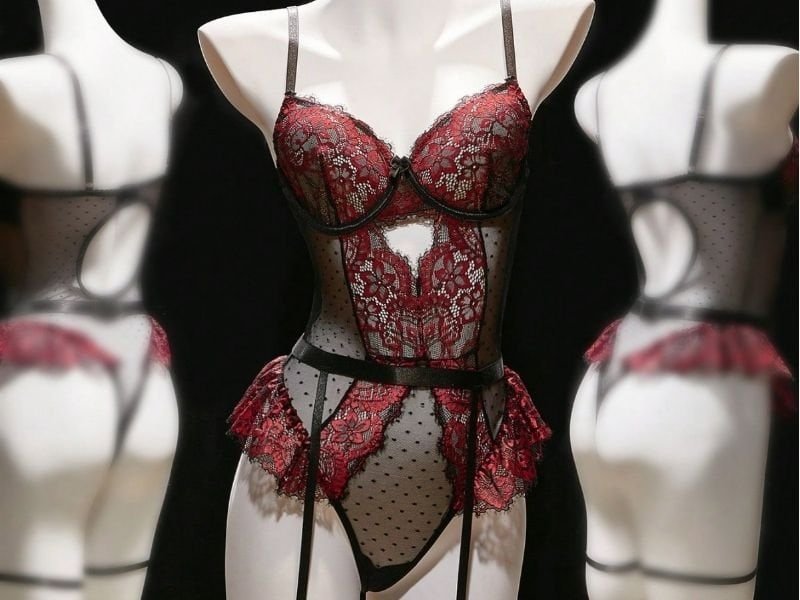
Teddy lingerie is one of the most important one-piece categories in the sexy lingerie market because it combines strong visual appeal, feminine styling, and premium presentation in a single garment. For sexy lingerie buyers, wholesalers, and brand sourcing teams, understanding product categories is not only about design—it is also about commercial value, market positioning, and sourcing strategy.

This article explains what teddy lingerie is, its key features, common product types, why it matters commercially, what buyers should check before sourcing, and how to choose the right teddy lingerie manufacturer.
What Is Teddy Lingerie?
Teddy lingerie is a one-piece, close-fitting garment that combines the upper body effect of a slip dress/slip with the lower body coverage of panties. Unlike two-piece lingerie sets, teddy lingerie has a one-piece structure that hugs the body, accentuates curves, and creates a clean, seamless overall look.
It is typically designed to be more sensual, enhancing the body and providing a more complete visual effect than traditional two-piece lingerie sets. Originating in the early 20th century, this type of garment has evolved from relatively conservative lingerie styles into a mainstream category in the lingerie market, satisfying both personal wear and commercial wholesale needs.

In the sexy lingerie market, teddy lingerie is often positioned as a more expressive category. It commonly uses decorative fabrics and feminine details such as lace, mesh, satin, sheer panels, straps, and cut-outs. Depending on the styling direction, a teddy can look romantic, dramatic, elegant, or bold.
Key Features of Teddy Lingerie
To effectively source, market, and sell teddy lingerie, buyers and wholesalers must familiarize themselves with its key features, which directly impact consumer appeal and product competitiveness:
- One-Piece Design: This is the core feature of Teddy underwear: combining a camisole top and underwear into a single, integrated garment. This structure makes the garment look more complete and intentional. It can enhance body lines more directly and usually creates a stronger impression in product photos and display settings.
- Body-Hugging Fit: Teddies are typically made with stretchy fabrics (e.g., lace, satin, mesh, spandex blends) that contour to the body, highlighting curves without being restrictive. The fit ranges from semi-sheer to opaque, depending on the style and target audience.
- Diverse neckline options: Common necklines include sweetheart necklines, deep V-necks, and halter necklines, with a wide variety of styles to satisfy different consumer preferences such as romantic, sexy, and conservative.
- Fabric Diversity: The choice of fabric impacts the product’s price, comfort, and aesthetic. Lace and mesh are popular for sheer, romantic styles; satin and silk for luxury; and cotton-spandex blends for everyday comfort. Wholesalers should offer a range of fabrics to cater to different market segments (budget, mid-range, luxury).
- Decorative Elements: To enhance sensuality, teddies often feature lace trim, embroidery, cutouts, bows, or strappy details. These decorative touches are key selling points, as they differentiate basic teddies from premium, high-demand styles.

Common Types of Teddy Lingerie
Teddy lingerie comes in various types, primarily differentiated by different fabrics, each targeting specific consumer needs and market trends. For brands and wholesalers, enriching their product lines through these types ensures broader market coverage:
- Lace Teddy: The most popular type, featuring lace (either all-over or as trim) for a romantic, feminine look. Lace teddies are often semi-sheer and may include cutouts or scalloped edges. They are a top seller for both personal use and gifting.
- Sheer Mesh Teddy: Made from sheer mesh fabric, often with bold cutouts (e.g., around the waist, back, or thighs) for a daring, sexy look. Mesh teddies are popular among younger consumers and those looking for statement intimate wear.
- Satin/Silk Teddy: A luxury option made from satin or silk, offering a smooth, glossy finish. These teddies are typically more expensive, targeting the premium market segment. They are ideal for consumers seeking elegance and comfort.

Why Teddy Lingerie Matters for Buyers and Wholesalers
Teddy lingerie is a high-value category for both buyers (retailers, boutique owners) and wholesalers, for several key reasons:
- Steady Market Demand: The global sexy lingerie market is growing, with teddies consistently ranking among the top-selling categories. Consumers are increasingly investing in intimate wear that makes them feel confident, and teddies’ versatility (sensual yet functional) aligns with this trend.
- High Profit Margins: Compared to basic sexy lingerie, teddies (especially lace, satin, or premium styles) have higher profit margins. Wholesalers can source teddies at competitive prices from manufacturers, while retailers can mark them up significantly due to their “sexy” and “premium” positioning.
- Versatile Target Audience: Teddies appeal to a wide range of consumers—from young adults to mature women, and from budget-conscious shoppers to luxury buyers. This versatility allows buyers and wholesalers to target multiple market segments with a single product category.
- Higher Perceived Value: Compared with a basic bra set, teddy lingerie often looks more premium, more giftable, and more distinctive. For brands and wholesalers, teddy lingerie can strengthen the overall impression of a sexy lingerie collection.

Teddy Lingerie Sourcing Considerations for Buyers and Wholesalers
Teddy
Sourcing high-quality, marketable teddies is critical for success. Buyers and wholesalers should keep the following considerations in mind when sourcing:
1. Fit consistency
Fit is critical because the garment connects bust, waist, torso, and hip in one piece. Buyers should review:
- bust fit
- torso length
- waist shaping
- hip comfort
- strap adjustment
2. Fabric quality and comfort balance
Sexy appearance matters, but comfort still affects sell-through and customer satisfaction.
Check for:
- lace softness
- mesh strength
- satin hand feel
- stretch recovery
- support performance
3. Construction quality
Because teddy lingerie is often detail-heavy, poor workmanship is easy to notice.
Check:
- seam neatness
- lace placement
- strap attachment
- hook-and-eye quality
- cup shaping
- panel stability

4. MOQ and Customization Options
Brands and wholesalers should select manufacturers that can meet their purchase volume based on their size and plans when making purchases; that is, the manufacturer’s MOQ should match your purchase volume.
Many B2B buyers seek customized teddies (e.g., branded tags, unique colors, custom decorative elements) to differentiate their inventory. Choose manufacturers that offer customization services to meet these needs.
How to Choose the Right Teddy Lingerie Manufacturer
The right teddy lingerie manufacturer should do more than just produce samples. A strong supplier should understand design, fit, quality, and commercial practicality.
What buyers and wholesalers should look for
1. Experience in sexy lingerie production
A factory with real experience in sexy lingerie usually understands how to manage lace, mesh, shaping, support, and decorative construction better than a factory focused only on basics.
2. Strong sampling capability
A good manufacturer should be able to:
- turn reference images into workable samples
- suggest practical improvements
- adjust fit correctly
- advise on fabric and construction
3. Reliable quality control
Because teddy lingerie depends heavily on appearance, quality problems can damage perceived value quickly. The factory should have stable quality control processes for both sampling and bulk production.
4. Clear communication
A good supplier should communicate clearly on:
- sampling progress
- revisions
- lead time
- MOQ
- material choices
- production feasibility
5. Understanding of commercial needs
The best manufacturer is not only technically capable. They should also understand the difference between:
- commercial mainstream styles
- premium image styles
- niche statement styles

Manufacturer Evaluation Table
| Evaluation Point | Why It Matters |
|---|---|
| Sexy lingerie experience | Better understanding of styling, fit, and detail execution |
| Sampling ability | Helps turn concepts into sellable products |
| Quality control | Protects consistency from sample to bulk |
| Communication efficiency | Reduces development errors and delays |
| MOQ flexibility | Helps match your program scale |
| Commercial understanding | Supports better product decisions for your market |
Warning signs when choosing a manufacturer
- doesn’t understand your target market
- only talks about price, not fit or construction
- can’t explain teddy lingerie development challenges
- weak sample finishing
- unclear communication
- no clear QC process
- unclear communication
FAQ
Q1: Why is teddy lingerie considered a high-value category?
Teddy lingerie is often seen as a high-value category because it combines sexy styling, premium appearance, and stronger gifting or display appeal. For retailers and wholesalers, this can translate into better assortment differentiation and stronger perceived value in the market.
Q2: Can teddy lingerie be customized for brands and wholesalers?
Yes. Many B2B buyers look for customized teddy lingerie with branded labels, special colors, or unique decorative elements. Choosing a manufacturer that supports customization can help brands create more differentiated products for their market.
Q3: What should buyers check when sourcing teddy lingerie?
Buyers should focus on fit consistency, fabric quality, comfort, construction details, MOQ alignment, and customization options. Since teddy lingerie is a one-piece garment, issues in torso fit, bust support, or workmanship can directly affect product performance and customer satisfaction.
Q4: How do you choose the right teddy lingerie manufacturer?
A good teddy lingerie manufacturer should have experience in sexy lingerie production, strong sampling ability, reliable quality control, clear communication, and a practical understanding of commercial product needs. The best supplier is not just technically capable, but also able to support market-focused product development.
Conclusion
In this article, we explore what teddy lingerie is, its key features, common product types, commercial value, sourcing considerations, and how to choose the right teddy lingerie manufacturer.
In practical terms, building a successful teddy lingerie category requires more than choosing visually attractive styles. It requires understanding which teddy designs fit your target market, how fabric and construction affect product value, and why fit consistency, MOQ planning, and supplier capability all matter in commercial development. A more structured sourcing approach will almost always create a stronger and more market-relevant teddy lingerie collection than style selection alone.
By now, you should have a clearer understanding of teddy lingerie and its business value. It’s time to take action. Develop teddy lingerie styles for your market with the right product strategy and the right manufacturing partner.
Let XieSheng become your Teddy underwear manufacturer
Ready to develop teddy lingerie that fits your market and sells with confidence? Get in touch with XieSheng for custom development, sampling support, and scalable OEM/ODM production.
XieSheng has over 15 years of industry experience and is a trusted provider of high-quality custom sexy lingerie solutions. We offer fully customized options, a wide range of development samples to choose from, and low MOQs of 300–500 pieces per style per color, helping bring commercial ideas of all sizes to life for global markets.
To get our catalog or an instant quotation, please contact us!