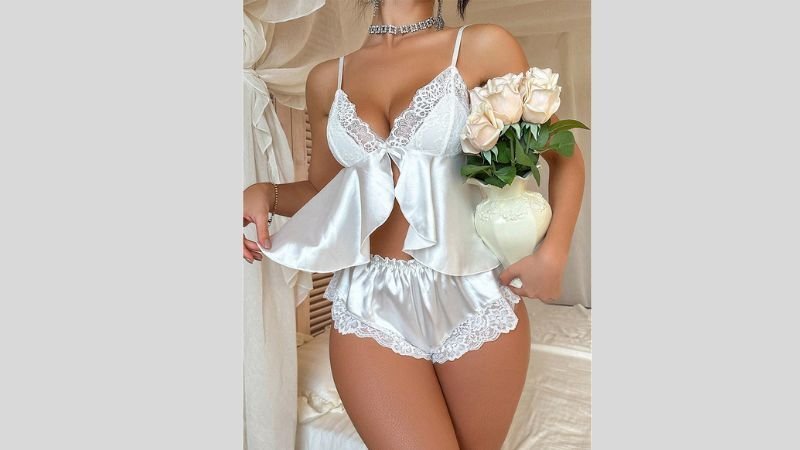
Bridal sexy lingerie is more than a white version of regular sexy lingerie. For brands, it is an occasion-based category connected to wedding night, honeymoon, bridal gifts and romantic styling. Customers often expect it to feel more special, more delicate and more giftable than everyday lingerie.

However, successful bridal lingerie development depends on more than lace, color and visual appeal. Brands also need to consider fit, fabric hand feel, support, trims, packaging, MOQ and sampling accuracy. This guide explains what makes bridal sexy lingerie different, which product types are suitable for brand development, what can be customized, and how brands can work with manufacturers to create a bridal lingerie collection that is both romantic and practical for production.
Understanding Bridal Sexy Lingerie
Bridal sexy lingerie usually refers to intimate apparel designed for wedding-related occasions such as the wedding night, honeymoon, bridal shower, gift set, romantic travel or occasionwear styling. It often combines sensuality, femininity, elegance and romantic details, but it should not be confused with ordinary sexy lingerie in a white colorway. Bridal lingerie needs a softer emotional tone and a more refined product presentation because the purchase is connected to an important life event.

Common bridal lingerie products include lace bra and panty sets, sheer chemises, babydolls, teddies, garter sets, robes, corsets, bustiers and honeymoon lingerie sets. Some styles are designed to be worn under clothing, while others are created mainly for intimate moments, gifting or photography. This means the product development process should begin with the wearing scenario. A lace bra set for bridal retail display does not need the same construction as a structured bustier for shaping, and a honeymoon chemise does not require the same support logic as an underwire bridal bra.
The visual language of bridal lingerie is usually softer and more romantic than regular sexy lingerie. White, ivory, champagne, blush, nude and soft pastel shades are common because they connect naturally with wedding styling. Lace, satin-like fabric, mesh, tulle, embroidery and delicate trims can all help create a bridal feeling. But the product must still be wearable. If the lace scratches the skin, the cup shape is poor, the robe fabric feels cheap or the garter elastic loses recovery, the product will not feel special no matter how romantic the photo looks.
For brands, the key is to understand that bridal lingerie is both a visual product and a fit product. It must look beautiful enough to create emotional value, but it also needs to feel comfortable and reliable when worn. This balance is what separates a basic white lingerie set from a stronger bridal collection.
The Business Potential of Custom Bridal Lingerie
For brands, bridal lingerie belongs to a wider wedding-related purchasing occasion, where couples continue to invest in products and experiences around the wedding journey, according to wedding industry insights.
Custom bridal lingerie gives brands a way to build a more distinctive product line around a strong buying occasion. Unlike everyday lingerie, bridal lingerie is often connected with planned events, gifting, bridal preparation and honeymoon styling. This makes it easier for brands to create product stories, bundles and seasonal campaigns. A bridal customer may not only buy one bra set; she may consider a matching robe, garter, chemise, thong, sleepwear piece or gift-ready packaging.

For lingerie brands, custom bridal lingerie can also create differentiation. Many generic bridal lingerie products look similar: white lace, simple bra sets, basic babydolls and standard robes. If a brand can customize lace, fit, color, packaging and product combinations around its own customer profile, the collection becomes harder to compare only by price. This is especially important for brands selling through DTC websites, boutique channels, bridal stores or premium intimate apparel retailers.
The commercial value of bridal lingerie also comes from its ability to support different price levels. A simple private-label lace set may work for an entry bridal collection, while a more developed series with embroidered details, satin-like robes, premium trims and gift packaging can support a higher perceived value. Brands can choose whether they want a focused bridal capsule or a broader collection covering wedding night, honeymoon and gifting.
From a sourcing point of view, the best opportunity is not to develop too many bridal styles at once. A stronger approach is to choose a clear direction first. For example, a brand may start with a lace bra set, a babydoll and a bridal robe in matching colors, then expand into teddies, garter sets or corset-inspired pieces after testing customer response. A focused bridal assortment is usually easier to develop, easier to photograph and easier to sell than a scattered collection with too many styles and colors.
Customization Options Available to Brands
Customization is one of the main reasons brands develop bridal lingerie with a manufacturer instead of only buying ready-made stock. But not all customization is the same. Some changes are simple and suitable for private-label programs, while others require new materials, new patterns, new sampling and higher MOQ. Understanding this difference helps brands control development cost and avoid unrealistic expectations.
Basic customization usually includes brand labels, wash labels, hangtags, packaging bags, gift boxes, barcode stickers and stock color options. This is often the fastest way for a brand to enter the bridal lingerie category. If the existing style already fits the target customer, simple branding and packaging can make the product feel more aligned with the brand without starting a full development project from zero.

Product-level customization goes deeper. Brands may adjust lace pattern, fabric color, mesh quality, satin-like fabric, strap width, elastic quality, cup lining, hardware color, embroidery placement, garter attachments or matching robe details. For bridal lingerie, these details matter because they influence both appearance and perceived quality. A soft lace edge, a better hook-and-eye, a more elegant slider, or a cleaner color match between lace and mesh can make a product feel more premium.
Higher-level custom development includes exclusive lace, custom embroidery, new patterns, new cup structures, plus-size grading, special color dyeing or a full bridal lingerie collection. This can create stronger brand identity, but it also increases sampling time, development cost and production complexity. For example, custom embroidery can look beautiful, but it may require artwork confirmation, minimum quantity, longer lead time and extra testing to make sure the embroidery does not feel rough against the skin.
Color customization is especially important in bridal lingerie. White is common, but many brands now use ivory, champagne, blush, nude, soft pink, pastel tones and even black bridal styles depending on the market. The challenge is color consistency. Lace, mesh, elastic, lining and satin-like fabric may absorb dye differently, so a “matching ivory set” can still look inconsistent if materials are sourced separately without careful approval.
| Customization Level | Common Options | What Brands Should Consider |
|---|---|---|
| Basic private label | Labels, hangtags, packaging, stock colors | Lower development risk, faster launch |
| Product adjustment | Lace, color, straps, elastic, lining, trims | Affects fit, cost, MOQ and sampling time |
| Full custom development | New pattern, exclusive lace, embroidery, new collection | Stronger brand identity but higher risk and longer timeline |
For brands, the practical rule is simple: the deeper the customization, the more important it becomes to confirm materials, fit, MOQ and sample expectations before production begins.
Collaborating with Manufacturers for Custom Designs
Working with a manufacturer for bridal sexy lingerie requires more than sending a mood board and asking for a quote. A mood board can communicate style, but it does not define cup shape, lace stretch, underband tension, garment length, closure type, fabric weight, color standard or packaging requirements. If those details are unclear, the factory has to make assumptions, and assumptions often lead to sample revisions.
A good manufacturer can help brands evaluate whether a bridal design is suitable for production. For example, if a brand wants a lace bra set, the factory can review whether the lace has enough stretch, whether the cup needs lining, whether the strap width is suitable, and whether the underband can provide enough comfort. If the brand wants a teddy or bodysuit, the manufacturer can check torso length, gusset construction, lace placement and back opening. For a bustier or corset-inspired piece, the factory needs to consider boning, closure, support and size grading.

Before contacting a manufacturer, brands should prepare several key pieces of information: product type, reference images or physical samples, target customer, size range, color direction, expected order quantity, target price range and packaging needs. This does not have to be a perfect tech pack at the first conversation, but it should be clear enough for the factory to understand the product direction. A manufacturer can give better guidance when it knows whether the brand wants a premium bridal capsule, an affordable private-label line, or a giftable honeymoon collection.
Communication during sampling should be specific. Instead of saying “make it more bridal” or “make it more premium,” brands should explain which details need improvement. Is the lace too stiff? Is the cup too shallow? Is the ivory color too yellow? Is the robe fabric too thin? Is the garter elastic too tight? Is the packaging not giftable enough? Specific feedback helps the factory adjust the product more accurately.
The best cooperation happens when both sides understand their roles. The brand defines the market, customer and product direction; the manufacturer helps turn that direction into a practical product through material selection, pattern development, sampling and production planning.
Key Features of Top-selling Bridal Sexy Lingerie
Top-selling bridal lingerie usually succeeds because it balances beauty, comfort and production consistency. A style may catch attention through lace, embroidery or romantic color, but customers will judge the final product by how it feels, fits and presents as a bridal purchase. For brands, this means the product should look emotional without becoming uncomfortable or impractical.
Comfort is one of the most important features. Bridal lingerie may be worn for a short occasion, but that does not mean comfort can be ignored. Scratchy lace, stiff elastic, poor lining or uncomfortable hardware can quickly reduce the perceived value of the product. Soft skin-contact materials, smooth seams, adjustable straps and suitable lining are important details, especially for products sold as premium or giftable bridal lingerie.

Visual beauty is also critical. Bridal customers usually expect delicate lace, clean color, romantic styling and elegant finishing. The lace pattern should match the brand’s positioning. A floral lace may suit a romantic bride, while a clean geometric lace may work better for a modern bridal customer. Satin-like fabric should have a pleasant drape and soft hand feel, not a cheap shine. Mesh and tulle should feel soft enough for intimate wear.
Fit and structure cannot be overlooked. For bra sets, cup shape, underband tension, side wing height and strap adjustability affect the final wearing result. For babydolls and chemises, the body fit should be soft and flattering without feeling shapeless. For teddies and bodysuits, torso length and gusset comfort are key. For bustiers and corsets, boning, closure and support need careful review. Many bridal lingerie samples look beautiful on a flat table, but the real approval should happen on the body.
Packaging is another feature that influences sales. Bridal lingerie often has gift value, so packaging should feel cleaner and more intentional than standard polybag packaging when the retail positioning requires it. This does not always mean expensive packaging, but it should match the product level. A delicate lace set in poor packaging can feel less premium, while thoughtful packaging can support higher perceived value.
The strongest bridal lingerie products often combine romantic design, comfortable fit, refined materials and reliable production quality. This combination is more important than adding too many decorative details.
Tailoring Products to Different Bridal Personas
Different bridal customers respond to different product styles. A brand does not need to serve every type of bride at once, but it should understand which bridal persona fits its own positioning. This helps avoid a collection that is visually mixed but commercially unclear.
The romantic bride may prefer lace, soft tones, floral patterns, babydolls, garter sets and delicate robes. For this customer, emotional detail matters. Soft blush, ivory, champagne and lace-trimmed silhouettes can work well. The product should feel feminine and special, but not overly complicated. Comfort is still important because bridal lingerie is often connected to an intimate and emotional moment.

The modern bride may prefer cleaner silhouettes, minimal lace, smoother fabrics and more refined color palettes. This customer may not want overly decorative designs. A simple ivory teddy, a clean lace-trim bodysuit, or a smooth satin-like robe may be more suitable than a heavily embellished set. For modern bridal lingerie, the quality of proportion, fabric and finishing becomes more important than decoration.
The traditional bride may prefer white or ivory, soft coverage and elegant styling that feels bridal without being too revealing. For this customer, brands may consider lace bra sets, chemises, robes and moderate garter details. The product should feel tasteful, comfortable and appropriate for wedding-related occasions.
The luxury bride may be drawn to premium lace, embroidery, refined hardware, thoughtful packaging and a more complete collection story. This direction requires stronger material selection and more careful product development. A luxury bridal product cannot rely only on a higher price; the customer must see and feel the difference in fabric, lace, fit and presentation.
A honeymoon-focused bride may look for products that feel more sensual, playful and travel-ready. Teddies, sheer chemises, lace sets and matching robes can work well for this customer. The product should still be wearable and flattering, because overly difficult sizing or uncomfortable lace can reduce customer satisfaction.
For brands, the key is not to develop every bridal persona at once. A clearer customer profile makes bridal lingerie development more focused, more consistent and easier to sell.
FAQ
Q1: What is bridal sexy lingerie?
Bridal sexy lingerie refers to intimate apparel designed for wedding-related occasions such as the wedding night, honeymoon, bridal shower, romantic gifting or bridal photoshoots. Common styles include lace bra sets, babydolls, chemises, teddies, garter sets, corsets, bustiers and bridal robes. Compared with regular sexy lingerie, bridal lingerie usually focuses more on romantic styling, soft colors, delicate materials and giftable presentation.
Q2: What colors are most common for bridal sexy lingerie?
The most common bridal lingerie colors are white, ivory, champagne, blush, nude and soft pink. Some brands also develop black or jewel-tone bridal styles for a more sensual or modern customer. For production, brands should pay attention to color consistency because lace, mesh, elastic, lining and satin-like fabrics may absorb color differently.
Q3: Can bridal sexy lingerie be customized for private label brands?
Yes. Bridal sexy lingerie can be customized through brand labels, wash labels, hangtags, packaging, colors, lace selection, fabric choice, embroidery, hardware, straps, trims and matching sets. Basic private-label customization is usually easier to develop, while full custom development with new patterns, exclusive lace or embroidery requires more sampling time, higher MOQ and clearer product specifications.
Q4: What should brands prepare before contacting a bridal lingerie manufacturer?
Before contacting a bridal lingerie manufacturer, brands should prepare the product type, reference images or samples, target customer, size range, color direction, expected quantity, target price level and packaging requirements. These details help the manufacturer evaluate whether the style is suitable for production and suggest a more practical development route for sampling and bulk orders.
Conclusion
Custom bridal lingerie gives brands a strong opportunity to build a romantic, giftable and differentiated product line. But the best bridal collections are not only beautiful in photos; they also need comfortable fit, suitable materials, consistent colors, refined trims and packaging that matches the product level.
For brands, the most practical approach is to start with a focused bridal assortment and develop it with clear reference styles, size range, color direction, target quantity and packaging requirements. When romantic design, comfortable fit and realistic production planning are aligned, bridal sexy lingerie can become a valuable category rather than just a seasonal add-on.
Develop Your Bridal Sexy Lingerie Collection with XieSheng
At XieSheng, we help lingerie brands review reference styles, target customers, size ranges, color direction, packaging requirements and customization levels before sampling begins. This helps your team choose a practical development route, whether you want to adapt existing styles or create a more customized bridal lingerie collection.
Share your reference images, samples or product brief with us, and we will help you review the key construction, material and production points before moving forward. Please contact us!