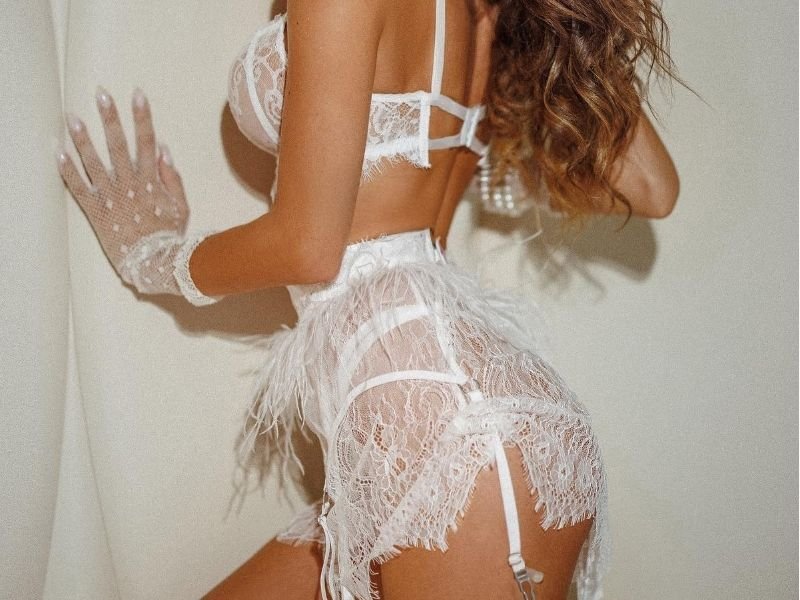
Choosing the right sexy lingerie manufacturer is a foundational decision that directly impacts the success of wholesale, private label, and OEM/ODM projects. Poor fabric quality, unstable fit, weak finishing, delayed sampling, inconsistent bulk production, and poor communication can all damage a program that looked promising at the buying stage.

This guide is designed to provide practical, actionable steps to evaluate and select sexy lingerie manufacturers more professionally and strategically, helping you avoid common pitfalls and build a sustainable, high-performing supply partnership.
Define Your Sexy Lingerie Sourcing Requirements Clearly
Before initiating any manufacturer search, it is essential to define your sourcing requirements with precision—this clarity will help you screen potential suppliers efficiently and avoid wasting time on candidates that cannot meet your needs.
Start by clarifying your target product categories: sexy lingerie encompasses a wide range of styles, including lace sets (bras and panties), satin chemises, plus-size sexy lingerie, teddies, or niche lines such as bridal sexy lingerie or sustainable (eco-friendly fabric) styles. Each category has unique production requirements (e.g., delicate lace handling vs. stretch satin construction), so specifying your focus will narrow down manufacturers with relevant expertise.

Before contacting suppliers, clarify the following:
- Product category
- Target customer and market
- Expected quality level
- Size range
- Customization requirements
- MOQ expectation
- Price positioning
- Order type: wholesale, private label, or OEM/ODM
Requirement Checklist
| Sourcing Area | Questions to Define |
|---|---|
| Product Type | Are you sourcing lace sets, babydolls, teddies or plus-size styles? |
| Quality Level | Is the target market entry-level, mid-range, or premium? |
| Size Range | What size grading and fit requirements are needed? |
| Customization | Do you need private label, custom trims, packaging, or fabric development? |
| MOQ | Are you testing styles or planning a scalable program? |
| Business Model | Is the project wholesale, private label, or OEM/ODM? |
Clear sourcing requirements act as a filter, allowing you to quickly identify manufacturers that align with your goals and reduce the risk of miscommunication or unmet expectations later in the process.
Shortlist Manufacturers With Relevant Sexy Lingerie Experience
Once your requirements are defined, the next step is to shortlist manufacturers with proven experience. This matters more in sexy lingerie than in many other apparel categories because product success depends heavily on design execution, material handling, and visual quality.
Factories can be sourced through B2B platforms, trade fairs, industry referrals, and existing buying networks. However, the real task is not simply to find manufacturers. It is to separate general underwear suppliers from factories with real sexy lingerie experience.
Where to find potential manufacturers
- Cross-border B2B sourcing platforms
- Trade fairs and lingerie exhibitions
- Industry referrals
- Existing buyer and supplier networks

What to prioritize
- Proven sexy lingerie production experience
- Strong export background
- Clear product specialization
- Good reputation
- Real customer cases or product references
Manufacturer Screening Table
| Evaluation Point | Why It Matters |
|---|---|
| Category Experience | Sexy lingerie requires stronger handling of lace, mesh, trims, and fit-sensitive construction |
| Export Experience | Helps reduce communication and compliance risks |
| Product Range | Shows whether the factory really understands sexy lingerie categories |
| Customer Cases | Indicates practical experience with real market requirements |
| Reputation | A strong reputation usually suggests better reliability |
A short list of 3–5 qualified factories is usually enough for meaningful evaluation.
Compare Sexy Lingerie Samples Before Making a Decision
Sample evaluation is one of the most critical steps in selecting a sexy lingerie manufacturer—samples are a tangible representation of the factory’s quality, craftsmanship, and ability to meet your requirements. Price lists, product photos, and factory presentations can support shortlisting, but samples reveal whether a supplier can actually execute.
Buyers should request samples from shortlisted manufacturers and compare them systematically. The review should not focus only on appearance. It should also examine fabric quality, workmanship, fit balance, trim execution, comfort, and overall product presentation.
What to check in samples
- Fabric quality
- Lace softness and recovery
- Mesh transparency and support
- Stitching and seam neatness
- Trim placement
- Strap attachment
- Closure quality
- Fit balance
- Wearing comfort

Sample Comparison Table
| Sample Check Point | What Buyers Should Look For |
|---|---|
| Fabric Quality | Softness, stretch recovery, durability, and premium appearance |
| Workmanship | Clean seams, even stitching, neat finishing |
| Fit | Balanced bust fit, torso proportion, strap comfort |
| Comfort | No excessive stiffness, irritation, or poor support |
| Design Execution | Lace placement, trim alignment, silhouette consistency |
| Overall Presentation | Does the style look commercially sellable and market-ready? |
Best practice
Ask 3–5 factories for comparable samples and review them using the same standards. This makes the final decision more objective.
Verify Production Capacity and Order Flexibility
A supplier may produce a strong sample and still be the wrong partner if its production capacity does not match the project requirements.
Buyers need to confirm whether the factory can support the intended order size, whether that means a smaller trial order, a medium-volume wholesale program, or a larger repeat business model. Capacity should not be measured only in terms of theoretical output. It should also include planning discipline, lead time reliability, and scaling ability.
Key points to verify
- Current production capacity
- Ability to support trial orders
- Ability to handle bulk repeat orders
- Lead time for samples and bulk
- MOQ requirements
- Ability to scale if the program grows

Capacity Review Table
| Capacity Area | Questions to Ask |
|---|---|
| Order Volume | Can the factory support your expected quantity range? |
| MOQ | Does the MOQ fit your launch or testing strategy? |
| Lead Time | How long for samples, production, and repeat orders? |
| Flexibility | Can the supplier support both small and larger programs? |
| Scale-Up Ability | Can output increase if demand grows? |
Production capacity directly impacts supply stability: a manufacturer with insufficient capacity may delay deliveries, rush production (leading to quality issues), or be unable to fulfill repeat orders. A factory that can support an initial order but not a repeat program may not be the right long-term partner.
Negotiate Commercial Terms With a Practical Business Perspective
Commercial negotiation should always go beyond the quoted unit price. In sexy lingerie sourcing, cost structure is influenced by fabric, trims, complexity, finishing, customization, and development support.
Commercial terms to discuss
- Unit price
- Payment terms
- Sample charges
- Revision costs
- Customization fees
- Packaging costs
- Logistics costs
- Volume-based discounts

Commercial Terms Table
| Cost Area | Why It Should Be Clarified Early |
|---|---|
| Unit Price | Base cost alone does not show the full sourcing picture |
| Sample Cost | Needed to understand development investment |
| Revision Cost | Important if fit or trims require adjustment |
| Packaging Cost | Matters for private label and branded presentation |
| Logistics Cost | Affects landed cost and price planning |
| Payment Terms | Impacts cash flow and project risk |
Key principle
It is important to emphasize that the best sourcing decision is not based on the lowest price alone. A manufacturer with slightly higher pricing may offer better quality, faster delivery, or more reliable support—factors that can save you money in the long run (e.g., reducing returns, avoiding stockouts). Prioritize a balance of cost, quality, and execution reliability: a slightly higher price is worth it if it means consistent quality, on-time delivery, and minimal supply chain disruptions.
Evaluate Communication Efficiency and After-Sales Support
Communication is often underestimated in supplier evaluation, but in practice it is one of the clearest indicators of future performance. When evaluating manufacturers, assess their communication efficiency: How quickly do they respond to your inquiries? Are their responses clear, detailed, and professional? Do they proactively communicate potential issues (e.g., material shortages, production delays) or only react to problems after they arise?
Good communication should include
- Timely responses
- Clear answers
- Accurate understanding of the brief
- Transparent handling of issues
- Practical suggestions during development
- Reliable follow-up on agreed actions

Why communication matters
Poor communication often leads to:
- delayed sampling
- incorrect revisions
- missed details
- production misunderstandings
- shipment delays
- slower issue resolution
After-sales questions buyers should ask
- How are defects handled?
- What happens if goods arrive with quality issues?
- How does the factory respond to shortages or shipment problems?
- Is there a clear process for claims and support?
Efficient communication reduces sourcing risk by ensuring that your requirements are clearly understood and implemented. It also streamlines the production process, minimizing delays and miscommunication.
Strong after-sales support is especially important for repeat programs and long-term partnerships: a manufacturer that stands behind their products and supports you after delivery will help you resolve issues quickly, maintain customer satisfaction, and build trust over time.
Check Compliance, Safety, and Certification Standards
Compliance and safety are non-negotiable when sourcing sexy lingerie, especially for international markets. Prioritize manufacturers that meet labor compliance standards (e.g., fair wages, safe working conditions, no child labor) and export requirements (e.g., customs documentation, country-specific regulations).
Non-compliant labor practices can lead to boycotts, legal penalties, and damage to your brand reputation, while failure to meet export requirements can result in shipment delays, fines, or even product seizures.

Check whether the fabrics and materials used meet relevant safety standards. For sexy lingerie, which comes into direct contact with the skin, this is particularly important. Look for manufacturers that use fabrics certified by OEKO-TEX (a global standard for textile safety, ensuring no harmful chemicals), GOTS (for organic fabrics), or other relevant certifications (e.g., REACH for the European Union, CPSIA for the United States). Ask for certification documents and verify their authenticity—avoid manufacturers that cannot provide proof of compliance.
Review the factory’s compliance awareness for international markets: Do they understand the regulations of your target markets (e.g., labeling requirements, fabric safety standards)? Can they adapt their production processes to meet these requirements?
Compliance matters for product credibility (customers are increasingly conscious of safety and ethical practices), import/export safety (avoiding costly delays or penalties), and long-term business security (building a sustainable, responsible brand).
Key Warning Signs When Choosing a Sexy Lingerie Manufacturer
When evaluating manufacturers, be vigilant for warning signs that indicate potential problems down the line. These red flags often lead to avoidable supply chain issues, so it is best to eliminate such manufacturers from your shortlist early:
- The factory only competes on price and cannot explain product quality details: If a manufacturer’s primary selling point is the lowest price, and they cannot articulate how they ensure quality (e.g., fabric testing, quality control processes), this is a sign they may cut corners to reduce costs.
- Sample quality is weak or inconsistent: If the sample has defects (e.g., loose threads, uneven stitching, poor fabric quality) or if multiple samples from the same manufacturer vary in quality, this indicates poor quality control.
- Communication is slow, unclear, or unprofessional: Delayed responses, vague answers, or unprofessional behavior (e.g., ignoring your requests) suggest that the manufacturer may not prioritize your business or communicate effectively during production.
- MOQ and lead time are not realistic for your project: If a manufacturer’s MOQ is significantly higher than your needs, or their lead time is unrealistically short (suggesting rushed production) or long (indicating inefficiency), they may not be a good fit.
- The manufacturer lacks category knowledge in sexy lingerie: If they cannot answer questions about fabric types, fit, or styling for sexy lingerie, or if their portfolio shows no relevant experience, they may struggle to meet your quality and design requirements.
- Compliance or customer references cannot be verified: If a manufacturer refuses to provide certification documents or customer references, or if the references they provide are uncontactable or unconvincing, this is a major red flag—they may be hiding non-compliance or poor performance.

These warning signs often indicate underlying issues with quality control, production capacity, or professionalism—problems that will likely escalate once you place an order, leading to delays, defects, or financial losses.
Make the Final Supplier Decision Using a Structured Evaluation Method
After evaluating all shortlisted manufacturers, it is time to make a final decision—one that balances quality, technical ability, communication, production support, and commercial terms. Avoid the common mistake of choosing a factory based on one strong sample alone: a single high-quality sample does not guarantee consistent bulk production. Instead, use a structured evaluation approach to compare suppliers across all key criteria:
- Product quality: How do their samples compare in terms of fabric, craftsmanship, fit, and performance?
- Technical ability: Can they handle your customization needs (e.g., custom designs, private label) and meet your quality standards?
- Communication: Are they responsive, clear, and proactive in addressing your needs?
- Production support: Do they have the capacity and flexibility to meet your order volume and lead time requirements?
- Commercial terms: Do their pricing, payment terms, and logistics align with your budget and business goals?
- Compliance and safety: Can they provide verified certifications and demonstrate compliance with relevant standards?

Avoid relying solely on intuition or low pricing—instead, assign weights to each criterion based on your priorities (e.g., quality may be more important than price for a luxury brand) and score each manufacturer accordingly.
Additionally, prioritize manufacturers that can support both your current orders and future business growth: look for a partner that is willing to adapt to your changing needs (e.g., expanding product lines, increasing order volume) and invest in your success.
Conclusion
Choosing the right sexy lingerie manufacturer requires a structured, professional evaluation process—one that goes beyond just comparing prices or samples. By defining your sourcing requirements clearly, shortlisting manufacturers with relevant experience, evaluating samples thoroughly, verifying production capacity, negotiating practical commercial terms, assessing communication and after-sales support, checking compliance, and watching for warning signs, you can minimize sourcing risk and select a reliable partner.
Remember that the best sexy lingerie manufacturer is not just a supplier—they are a long-term business partner that supports your brand’s quality, stability, and commercial growth. By taking the time to evaluate each candidate carefully, you can build a supply chain that delivers consistent, high-quality products, meets your market needs, and helps your business thrive in the competitive sexy lingerie industry.
FAQ
Q1: What should b2b buyers define before searching for a sexy lingerie manufacturer?
Before starting the supplier search, buyers should clearly define product category, target customer and market, expected quality level, size range, customization requirements, MOQ, price positioning, and whether the project is for wholesale, private label, or OEM/ODM. Clear requirements help filter suppliers faster and reduce mismatches later in the process.
Q2: Is the lowest price always the best choice when sourcing sexy lingerie?
No. The best sourcing decision should not be based on price alone. A manufacturer with slightly higher pricing may still be the better choice if it offers stronger quality, more reliable delivery, and better communication and support. In the long term, this often reduces returns, delays, and supply chain problems.
Q3: Why does communication matter so much in sexy lingerie sourcing?
Communication affects sampling speed, revision accuracy, production clarity, and issue resolution. Poor communication often leads to delayed samples, incorrect revisions, missed details, shipment delays, and slower responses to problems. Strong communication reduces sourcing risk and improves execution efficiency.
Q4: How should b2b buyers make the final supplier decision?
The final decision should be made using a structured evaluation method rather than relying only on one strong sample or a low quote. Buyers should compare suppliers based on product quality, technical ability, communication, production support, commercial terms, and compliance, and then select the one that best fits both current needs and future growth plans.
Tell Us Your Sexy Lingerie Sourcing Needs
XieSheng is a China-based OEM/ODM manufacturer with 15 years of experience in sexy lingerie development and production. We help brands, wholesalers, and retailers source market-relevant styles with professional sampling, quality-focused production, and practical project support. Tell us what you need, and our team will get back to you with a suitable solution.